Artificial intelligence is changing how healthcare professionals deliver services, manage patient information, and improve the overall patient experience. From medical research and patient education to digital health campaigns, AI-powered technologies are helping healthcare organizations work more efficiently and communicate complex information more clearly.
As healthcare becomes increasingly digital, hospitals, clinics, wellness brands, and independent medical professionals are exploring new ways to use AI to support their operations and educational efforts.
1. Improving Patient Education Through Visual Content
Healthcare information can often be difficult for patients to understand, particularly when it involves complex medical procedures, symptoms, or treatment options. Visual explanations can make this information easier to follow.
Healthcare organizations can use AI-powered creative tools to develop:
- Educational illustrations explaining medical conditions.
- Visual guides showing how treatments work.
- Infographics covering general health and wellness topics.
- Short videos explaining common medical procedures.
- Awareness campaign materials for public health initiatives.
An AI image generator can help content teams create visual assets for educational materials, presentations, and digital health campaigns without relying on traditional design processes for every concept.
2. Making Healthcare Communication More Engaging With Video
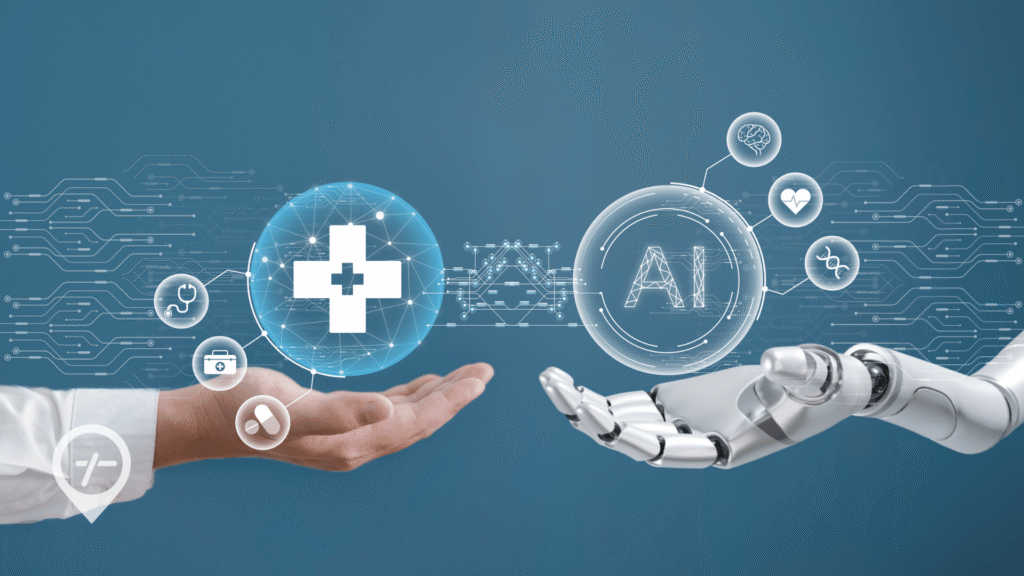
Video has become an important format for communicating health-related information. Clinics and healthcare professionals can use short videos to introduce services, explain general wellness practices, and answer frequently asked questions.
An AI video generator can help creative teams turn written concepts, scripts, or visual assets into video content for websites and social media platforms.
For example, a healthcare organization could create a short educational video about maintaining healthy habits, preparing for a routine appointment, or understanding a general medical procedure.
However, medical content should always be reviewed by qualified professionals to ensure accuracy and avoid misleading health information.
3. Supporting Medical Research and Data Analysis
AI is also contributing to medical research by helping researchers process large datasets, identify patterns, and explore potential connections between different health factors.
These capabilities can support activities such as:
- Analyzing research data.
- Organizing medical literature.
- Identifying patterns in clinical datasets.
- Supporting medical imaging analysis.
- Exploring potential areas for further investigation.
AI-generated insights should be treated as research support rather than a replacement for clinical expertise, scientific validation, or professional judgment.
4. Personalizing Digital Wellness Experiences
People increasingly expect digital health platforms to provide information that matches their interests and needs. AI can help wellness businesses organize content around different audiences, making their digital experiences more relevant.
For example, a fitness platform might create separate educational resources for beginners, experienced athletes, and people interested in general wellness. Similarly, a nutrition website could organize its content around meal planning, healthy eating habits, and lifestyle education.
Creative AI tools can also help these businesses produce supporting images and videos for different content categories.
5. Streamlining Healthcare Marketing and Awareness Campaigns
Healthcare organizations need consistent communication across websites, social media platforms, email newsletters, and educational campaigns. Producing content for all these channels can require considerable time and resources.
AI tools can support marketing teams by helping them:
- Develop initial campaign concepts.
- Create social media visuals.
- Produce short educational videos.
- Adapt content for different platforms.
- Generate ideas for awareness campaigns.
The final content should maintain a professional tone, respect patient privacy, and comply with applicable healthcare advertising and communication guidelines.
6. Challenges of Using AI in Healthcare
Although AI offers significant opportunities, healthcare organizations must approach its implementation carefully.
Some important considerations include:
- Data privacy: Patient information must be handled securely and in accordance with applicable privacy regulations.
- Medical accuracy: AI-generated health information requires review by qualified professionals.
- Bias and reliability: AI systems can produce incomplete or biased outputs.
- Human oversight: Important medical decisions should remain under appropriate professional supervision.
- Transparency: Organizations should communicate responsibly when AI-generated content is used.
Addressing these challenges is essential for building trust and using AI responsibly in healthcare environments.
Conclusion
Artificial intelligence is creating new opportunities across healthcare, medical research, patient education, and digital wellness. From improving visual communication with an AI image generator to producing educational videos through an AI video generator, these technologies can help healthcare organizations develop more engaging digital experiences.
The greatest value comes from combining AI-powered efficiency with human expertise, responsible data practices, and reliable medical information. As these technologies continue to evolve, healthcare organizations that adopt them thoughtfully will be better positioned to improve communication and support informed patient experiences.
Click here for more.