As software development speeds up, security cannot be an afterthought. Tools like Snyk have made security a priority for developers, but many engineering teams are now looking for alternatives that offer faster scanning, wider coverage, and better integration into DevOps workflows. This article highlights some of the best developer-focused security platforms designed to help teams identify vulnerabilities early, secure dependencies, and maintain quick delivery cycles.
Why Modern Teams Look Beyond Snyk
Even the most popular tools can struggle in fast-paced, cloud-native environments.
Common reasons teams look for alternatives include:
- Faster scans: Reduce delays in CI/CD pipelines.
- Wider coverage: Expand beyond code to include containers, cloud, and infrastructure.
- Better developer experience: Lower false positives and provide clear guidance for fixing issues.
- Flexible integration: Support modern workflows, IDEs, and collaboration tools.
Overall, teams are moving toward platforms that combine speed, broader security coverage, and a developer-first experience without adding friction to their workflows.
1. Aikido Security
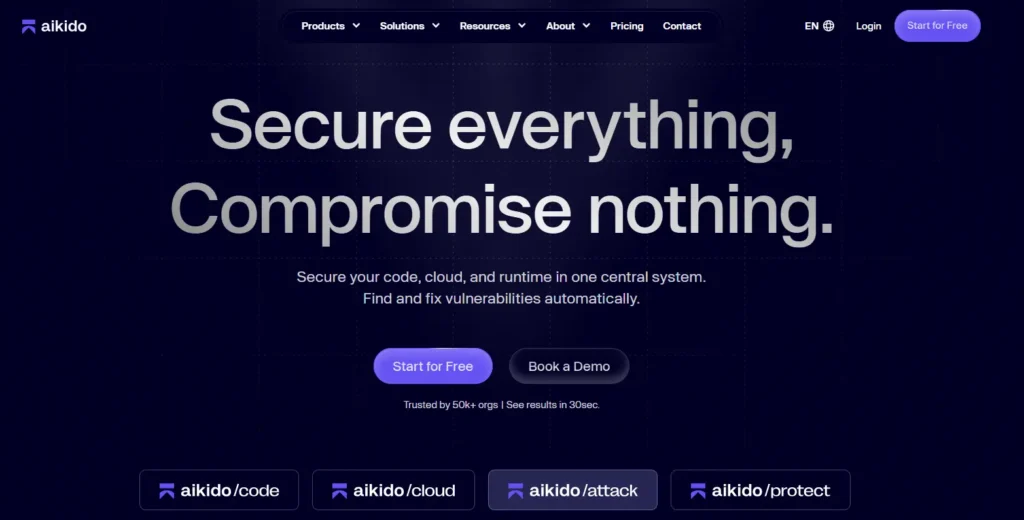
Aikido Security is a platform for developers that combines static code analysis, dependency scanning, container security, and cloud-native checks into one tool. Its AI-driven prioritization cuts down on false positives and points out the most critical vulnerabilities. This helps developers fix issues quickly without delaying delivery.
Main Characteristics
- Static code analysis: Detects vulnerabilities directly in source code.
- AI-driven prioritization: Highlight critical and exploitable issues.
- Dependency scanning: Identify vulnerabilities in third-party libraries.
- Container and cloud security: Detect misconfigurations and runtime risks.
- Infrastructure-as-Code scanning: Analyze cloud deployment configurations.
- Secrets detection: Find exposed API keys and credentials.
- CI/CD integration: Automate security testing in pipelines.
- Developer remediation guidance: Provide actionable instructions.
- Centralized dashboard: Manage vulnerabilities across projects.
- Automated correlation: Combine results from different scanners to highlight real risks.
What’s More?
- Compliance tracking: Ensure industry and regulatory standards are met.
- Threat intelligence integration: Prioritize issues using real-time threat data.
- Real-time scanning: Continuously monitor commits and branches.
- Collaboration tools: Track remediation tasks across teams.
Aikido is perfect for organizations that want broad coverage, quick insights, and smooth integration across cloud-native and DevSecOps workflows.
It gives developers both clarity and speed for securing modern applications.
2. Qwiet AI
Qwiet AI (formerly ShiftLeft) focuses on integrating security into the development lifecycle. It emphasizes code-first, developer-friendly tools. It enables teams to detect vulnerabilities early in the coding process and fix them before they reach production, reducing overall security risk and remediation costs.
Main Characteristics
- Static code analysis: Detect vulnerabilities during coding.
- Microservice security: Analyze cloud-native services for risks.
- CI/CD integration: Automate testing in pipelines.
- API security scanning: Identify vulnerabilities in exposed APIs.
- Developer guidance: Provide actionable remediation steps.
- Real-time alerts: Notify developers immediately of new vulnerabilities.
- Code property graphs: Enable deep analysis of code behavior.
- Fast scanning engine: Deliver results quickly during development.
Qwiet AI helps teams embed security directly into development workflows. It enables faster vulnerability detection without interrupting developer productivity.
3. Contrast Security
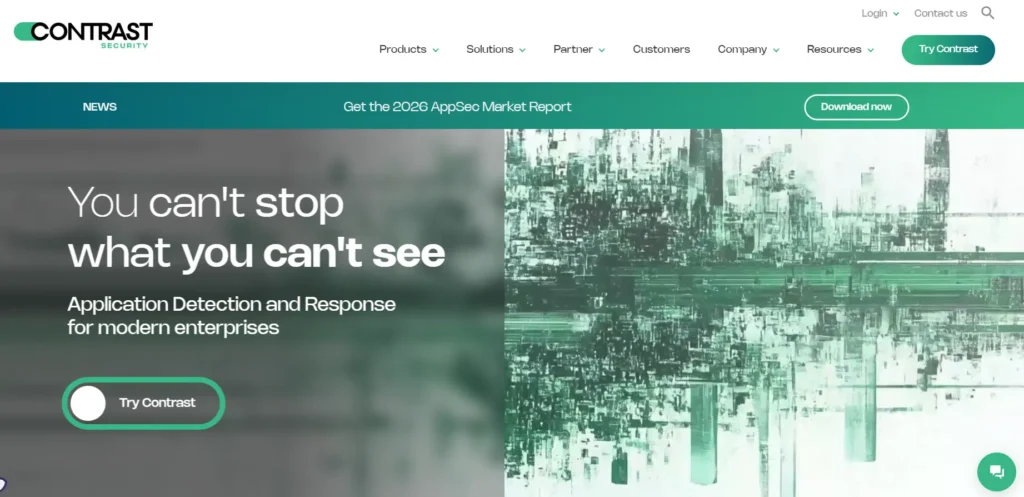
Contrast Security uses an agent-based approach. It embeds security sensors in applications to continuously detect vulnerabilities in real-time.
Main Characteristics
- Real-time vulnerability detection: Monitor live applications for security risks.
- Static and dynamic analysis: Detect issues in both code and runtime.
- CI/CD integration: Automate scanning in pipelines.
- Developer guidance: Offer detailed remediation instructions.
- Open-source risk detection: Identify vulnerabilities in third-party libraries.
- Cloud-native support: Protect containers and cloud applications.
- Interactive application security testing: Analyze running applications continuously.
- Attack surface visibility: Provide insight into exposed components.
Contrast Security delivers continuous, real-time insights directly within applications. It is well-suited for teams that need runtime visibility alongside development security.
4. Tenable.io
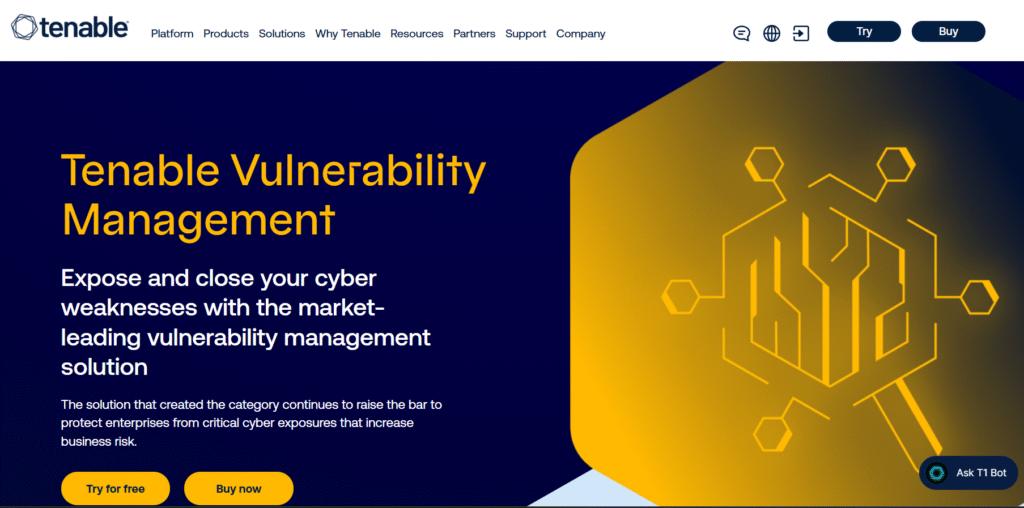
Tenable.io provides vulnerability management for cloud and container environments. It offers integrations that help developers identify issues before deployment.
Main Characteristics
- Vulnerability scanning: Detects security risks in applications and containers.
- Cloud and container support: Analyze cloud-native workloads.
- CI/CD integration: Embed automated security checks in pipelines.
- Developer-friendly reports: Highlight actionable fixes.
- Continuous monitoring: Track security posture across releases.
- Asset discovery, description: Identify and track all connected assets.
- Risk-based prioritization, description: Focus on the most critical vulnerabilities.
Tenable.io helps teams maintain visibility across cloud environments and applications. It is a strong option for organizations prioritizing continuous monitoring and risk management.
Summing Up
Investing in developer-first security tools not only boosts security but also improves developer productivity. Teams can spend less time sorting through alerts and more time developing and launching important features.
Developer-first security platforms are changing how teams secure applications. Modern tools provide:
- Early detection of vulnerabilities in code, dependencies, and cloud
- Reduced noise with clear remediation advice
- Easy integration with CI/CD and DevOps workflows
In the long run, picking the right developer-first platforms can help standardize security practices across teams. It can enhance collaboration between developers and security engineers and encourage a more proactive approach to managing risk.
Choose a solution that fits your workflow and start building faster, safer, and more resilient applications today.
Click here for more.